Founders Building a New Product
For founders moving from an idea, prototype or manually operated service toward a usable first product.
We help define what should be built first and create a foundation that can improve after real use.

Company
Tenth Tech is a software development studio helping founders, growing businesses and partner teams design digital products, improve operations and build systems that can evolve with them.
We bring product thinking, design, engineering and automation into one delivery process, so the work behind the software is understood before development begins.
Why we exist
They begin with disconnected tools, repeated work, unclear ownership, missing information or an idea that has not yet been shaped into a practical product.
Building immediately can make those problems more expensive.
Tenth Tech helps teams understand the system first: how work moves, where decisions happen, what users need and what technology should actually improve.
Sometimes the right answer is a new platform. Sometimes it is a focused automation, a clearer product experience or a better connection between systems already in use.
Our role is to identify that difference and build accordingly.
Clarity before complexity
What guides the work
We define the problem, workflow and responsibility before adding more technology.
Decisions should be grounded in real business context, user needs and available proof.
Not every manual process needs automation, and not every idea needs a large platform.
We focus on the part of the system where software can make a meaningful difference.
An interface should reflect how the system works, and technical decisions should support the experience being designed.
Clients should understand what is being built, which decisions are pending and what happens next.
A successful delivery should remain understandable, maintainable and capable of improvement after launch.
One delivery system
Digital products become harder to build when business context, user experience and technical delivery are treated as separate conversations.
Tenth Tech brings those conversations together.
We help turn early ideas, operational needs and broad feature lists into a clearer product direction.
This may include discovery, workflow mapping, feature prioritization, user journeys and practical delivery planning.
We design web, mobile and software experiences around the work users actually need to complete.
The objective is not decoration. It is a product that is understandable, usable and ready for implementation.
We build SaaS platforms, custom business systems, websites and web or mobile applications using architecture suited to the current product and its expected growth.
We connect tools, information and repeated processes through practical automation and AI-assisted workflows.
Automation is introduced where it can reduce repetitive effort, improve visibility or support better decisions.
Some engagements end with a defined launch. Others continue through maintenance, improvements, automation, new features and long-term product support.
The delivery model follows the needs of the product rather than forcing every client into the same arrangement.
How we work
We begin with the business, users and current way of working.
Before defining features, we identify what is happening now, where friction exists and what improvement should mean.
We organize the relevant people, tools, information, decisions and handoffs.
This gives the team a shared view of the product or workflow before technical decisions are locked in.
We define the experience, system boundaries, priorities and implementation path.
The result may be an MVP, a custom platform, an automation layer, a website or a staged improvement to an existing product.
Design and development move through clear, reviewable stages.
This allows feedback to arrive while decisions can still be improved, rather than after the entire product has been built.
Launch is not always the end of the work.
Where needed, we continue through testing, maintenance, new features, operational improvements and ongoing technical support.
Working contexts
For founders moving from an idea, prototype or manually operated service toward a usable first product.
We help define what should be built first and create a foundation that can improve after real use.
For businesses where spreadsheets, messages, documents and disconnected tools have become difficult to manage.
We help organize the workflow and identify where software or automation can reduce friction.
For companies with a live platform that needs clearer UX, stronger workflows, new features or better technical coordination.
We can work alongside an existing team or take responsibility for a defined area of delivery.
For agencies, consultants and product partners that need dependable design, development or automation support behind their client work.
The contribution and partnership remain clearly attributed.
Clear attribution
Tenth Tech is building its own body of client work while also bringing together experience developed through partnerships, previous teams and the founder's earlier roles.
We distinguish that experience clearly rather than presenting every project as work completed solely under the Tenth Tech name.
This attribution model gives visitors an accurate understanding of the work, relationship and contribution behind every project.
Explore Our WorkSelected work
Our Work section presents each project through its real delivery context, including the contribution, relationship, system and available visual evidence.
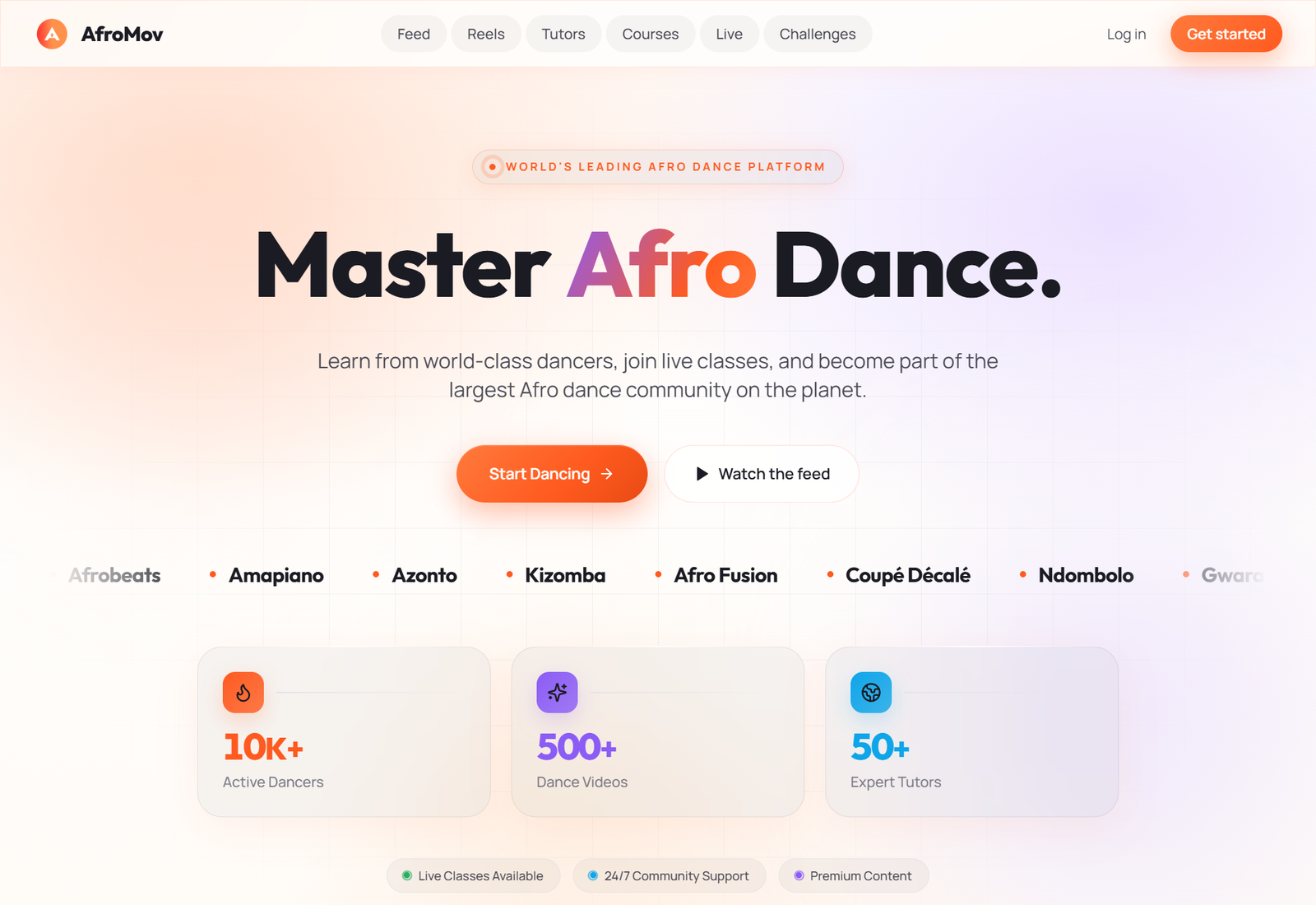 Partner Project / Delivered with Hope ValleyAfroMovA dance-focused social and learning platform bringing together creator tools, learner experiences, video content, workshops and role-based platform workflows.View AfroMov Project
 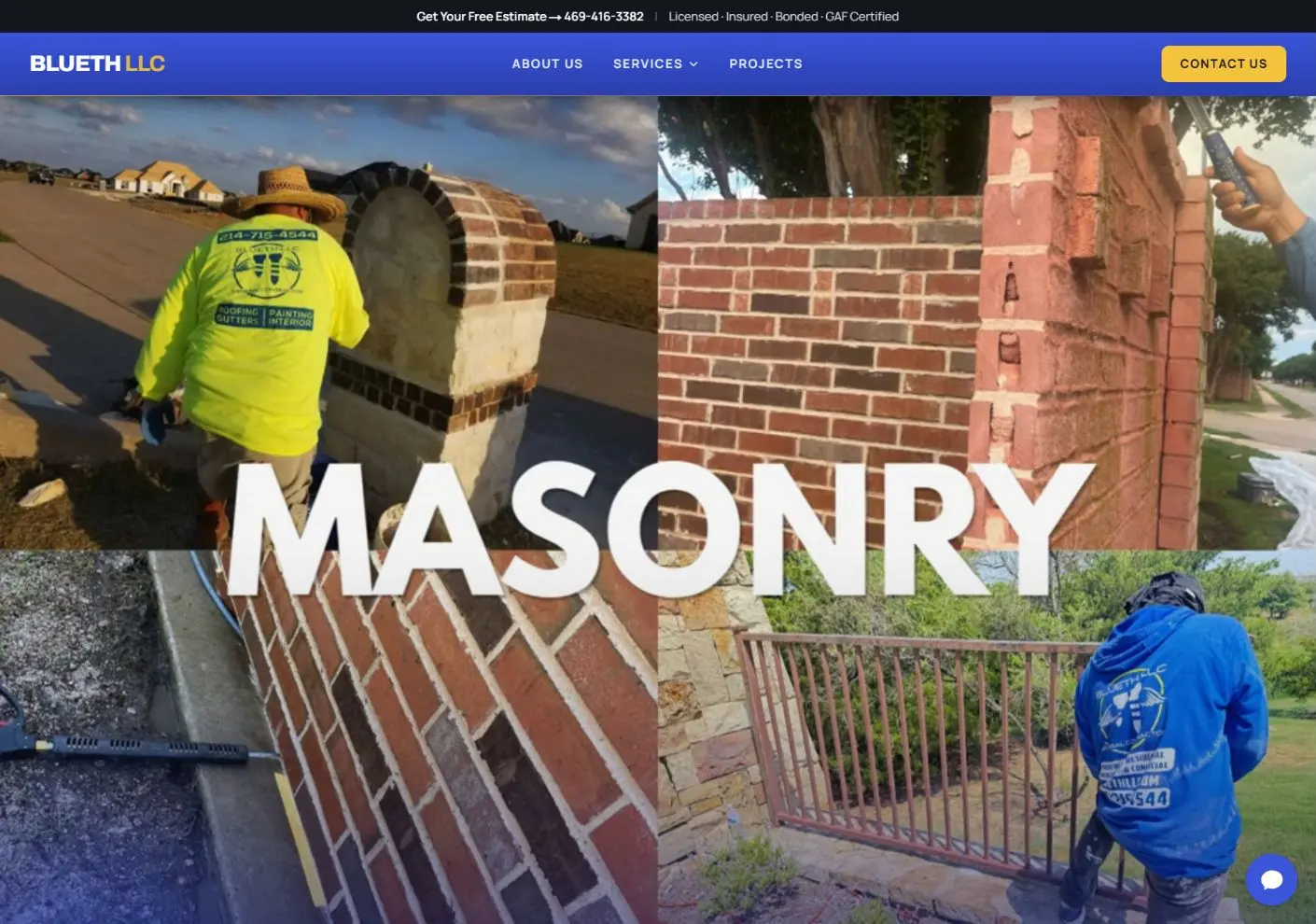 Tenth Tech Client Work / Client PartnershipBlueth LLCA professional digital presence for a construction and roofing business, followed by an ongoing monthly partnership.View Blueth Project
Founder
Founder, Tenth Tech
Zulqarnain began his career in UI/UX and product design, working across web, mobile and software experiences before expanding into product delivery, development coordination and AI-assisted automation.
His experience includes SaaS products, service marketplaces, ticketing systems, e-commerce, creator platforms, operational tools and custom client software.
Working across both design and technical delivery exposed a recurring problem: products often become difficult not because teams lack technical ability, but because business context, product decisions and implementation become disconnected.
He founded Tenth Tech to bring those areas into one clearer delivery model, helping clients move from an unclear challenge to a system that can be understood, built and improved.
Understand the work before designing the interface.
Understand the system before writing the code.
The delivery model
Tenth Tech works through a multidisciplinary delivery model that can bring together product strategy, UI/UX design, frontend development, backend development, SaaS architecture, AI integration, automation, quality assurance, deployment and ongoing support.
The objective is not to assign the largest possible team.
It is to involve the right capabilities at the right stage while maintaining clear responsibility and communication throughout the project.
Studio technology
Tenth Tech works across product engineering, commerce platforms, and automation and AI. These are studio-level capabilities, not claims that every technology appears in every project.
Application and platform foundations across modern JavaScript, .NET, and PHP delivery.
 React
React Next.js
 Node.js
 .NET
.NET PHP
PHPCommerce, content, and payment platforms selected around the operating model.
 Shopify
 WordPress
 Stripe
Service and workflow layers for bounded automation.
 Python
 n8n
n8nEvidence contexts: SalesFlow AI, SlayCanvas, and Construction Website & AI Support System.
Where we work
Tenth Tech operates from Pakistan and works remotely with clients, founders and partner teams across different markets and time zones.
Projects are managed through structured communication, documented decisions, shared review points and visible delivery stages.
Location changes how teams communicate. It should not reduce clarity, responsibility or access to the work.
Start with the challenge
Tell us what is happening now, where the work is slowing down and what you believe needs to change.
We will begin by understanding the problem before recommending what should be built.